“Our portrait of a graduate is a well-rounded individual, and the arts can open up so many opportunities for students. As they're learning to express their own ideas, they're gaining confidence and the ability to express themselves to others, and that shows in their future jobs and what they pursue.�Hans Wolfe, Department Chair of the Arts Department and an Upper School Art Teacher
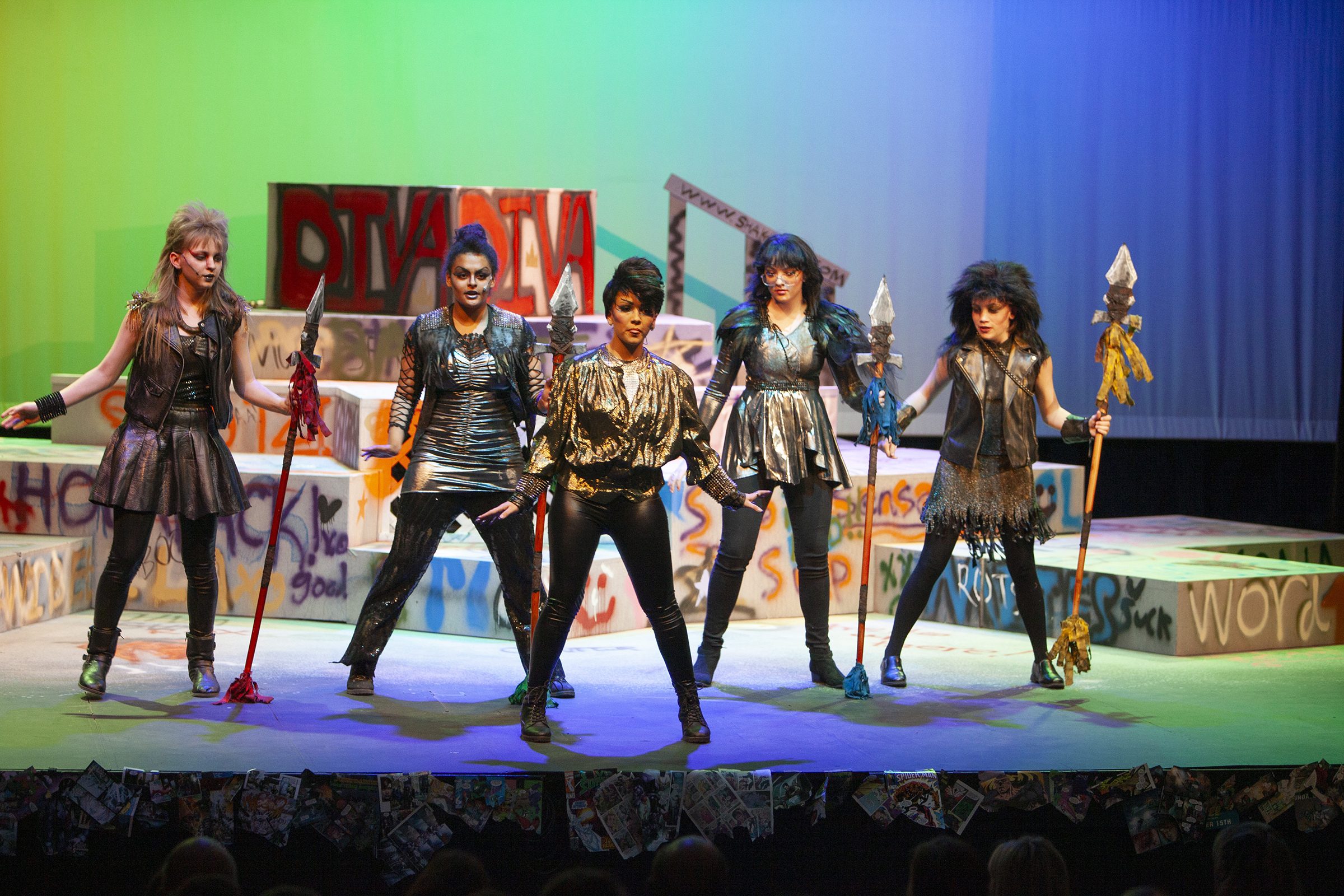
Senior Meia A. '26 joined Ä¢¹½´«Ã½ in 7th grade and quickly discovered a love for the arts. From the stage to the studio, she has immersed herself in every Middle and Upper School theatre production, sung with the Upper School Vocal Ensemble, and earned the prestigious Gold Key from the for her printmaking artwork.
The arts have done more than develop her talents — they have helped shape who she is.
“My skills in detail, patience, and imagination have grown, and being able to express myself in a way that I want has allowed me to be more reflective, understanding, and even empathetic towards myself and others,� said Meia, who plans to attend next fall to study topics correlating with political science, human rights, and/or psychological science, while continuing to pursue the arts through classes and clubs.
During her sophomore year, she discovered the importance of community and how the arts connected her to it. While performing in the musical Starmites, she realized that theatre isn’t simply about the production itself, but about how the cast and crew come together to create something greater than themselves.
“Finding a group of people where you know you can be yourself is extremely necessary for growth, where you can express yourself without fear and be sure that other people have your back in rough times,� said Meia (pictured above in Starmites, second from left).
Her transformative journey is what Ä¢¹½´«Ã½ aims to offer every student.
“Our portrait of a graduate is a well-rounded individual, and the arts can open up so many opportunities for students,� said Hans Wolfe, Department Chair of the Arts Department and an Upper School Art Teacher. "As they're learning to express their own ideas, they're gaining confidence and the ability to express themselves to others, and that shows in their future jobs and what they pursue."
Alumni often credit their arts experiences at Ä¢¹½´«Ã½ for influencing their careers. One graduate applying to NASA, for instance, stood out in part for his well-rounded background, including theatre, and went on to earn the internship before working full-time there.
From hands-on studio work to full-scale productions, students engage in visual arts, theatre, and music from PreKindergarten through 12th grade, building collaboration, critical thinking skills, and confident creative voices through experiential education.
This work is supported by Ä¢¹½´«Ã½â€™s 28-acre campus, which includes the Carriage House, home to art studios and classrooms, and the Louisa Performing Arts Center (LPAC), a 300-seat theater with reception and gallery spaces. LPAC is also used by members of the broader arts community, including , the , and the .
Across all divisions, the arts follow a spiral approach to learning, where core skills are revisited and expanded over time. Each stage builds on prior knowledge, moving students from concrete experiences to deeper understanding and long-term mastery.
Early Childhood
PreK students engage with the fine and performing arts through a variety of experiences designed to spark creativity and build foundational skills. Each week, they participate in visual arts classes, exploring different materials and techniques that encourage self-expression and imaginative play. They learn how to use and care for these materials while developing fine motor skills and coordination through activities such as holding brushes, cutting with scissors, and shaping clay.
“I see PreK art as a way for children to enjoy learning at school,� said Rebecca Palmer, who teaches art to PreK–3rd grade as well as Middle School. “There is so much fun in making art!�
Students also showcase their talents in holiday concerts and spring plays, sharing their learning with the school community. Every other year, PreK students participate in their own art show, showcasing their creativity and growth. Additionally, Ä¢¹½´«Ã½ is currently developing a new PreK music curriculum to further enrich students’ early musical experiences.
“The arts give our youngest learners a way to connect with learning that feels natural and joyful,� said Bronwyn Holman, Director of Early Childhood. “Through these experiences, they're not only discovering their creative voices but also building the cognitive and expressive skills that will support their academic journey for years to come.�
Lower School
Visual arts students build comfort and fluency through hands-on exploration of drawing, painting, sculpture, clay, and textiles, including stone carving in 2nd grade.
“Art education plays an important role in cognitive development. Art projects encourage problem-solving and critical thinking,� Ms. Palmer said. “Because there is not a right or wrong way to make art, creating art fosters flexible thinking. Children learn what their preferences are aesthetically, and they observe that others have their own preferences.�
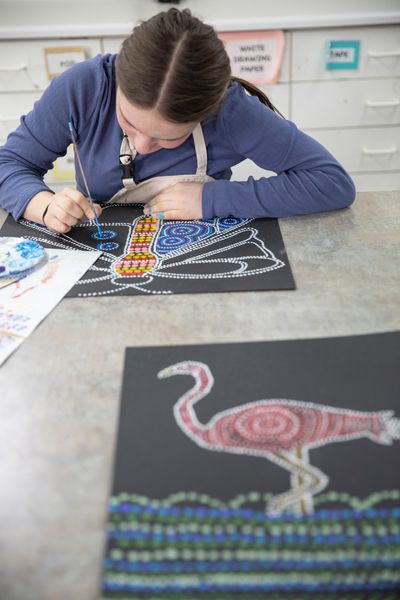
Instruction in 4th and 5th grade is intentionally designed to prepare students for Middle School. "Students work with the same core elements of art and principles of design like line, shape, color, value, and form while exploring different media," said Visual Arts Teacher Kaja Reynolds, who teaches 4th–12th grade.
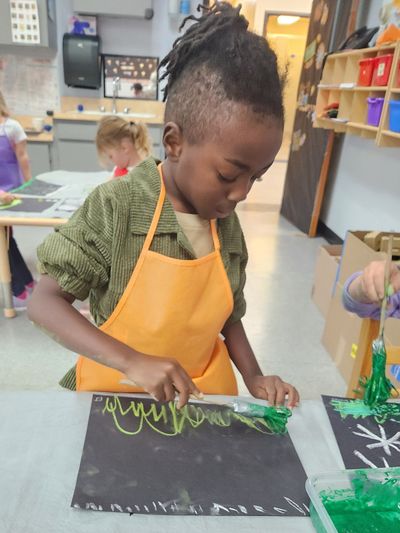
Projects such as acrylic painting, observational drawing, and clay work, as well as extended studies like Aboriginal-inspired dot paintings (pictured here), help students build comfort with materials, composition, perspective, color theory, and mark-making, developing the technical confidence needed for more advanced work.
Through dramatic play, improvisation, role-playing, and storytelling, theatre engages the whole child, fostering self-expression, collaboration, and communication. A signature Lower School experience, Dessert Theatre brings learning to life as students combine performance with their classroom themes of study. Beginning in Kindergarten, the scaffolded program builds on children’s natural instincts and increases in complexity each year.
“Kids are natural actors. They pretend, express, and play without fear of judgment,� said Rachel Pratt, who teaches Lower School Creative Dramatics and Middle School Drama. “These productions offer an opportunity to continue exercising those instincts while refining them with added finesse and skill each year. Each subsequent grade tackles more difficult material, and the pride they feel after every show does wonders for their confidence.�
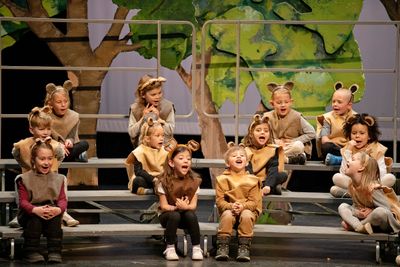
By 5th grade, students write their own Dessert Theatre plays, blending storytelling and performance with their cross-curricular study of early 20th-century immigration. “When kids see the adults in their lives investing in their ideas by rallying to build sets and design costumes based on their scripts, it sends a powerful message that their voices matter,� Ms. Pratt said.
The music program nurtures a lifelong love of music through developmentally appropriate experiences that emphasize expression, creativity, and collaboration.
“Through singing, students develop their voices in age-appropriate and healthy ways, beginning with playful exploration in the early grades and progressing toward more refined technique, range, and control in upper grades,� said Emily Michielutti, Choral Director and Music Teacher.
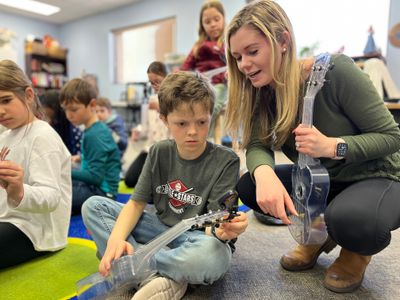
Students also work with a wide range of instruments, including ukulele (pictured here), xylophones, and unpitched percussion, to build musicality, ensemble skills, ear training, and confidence.
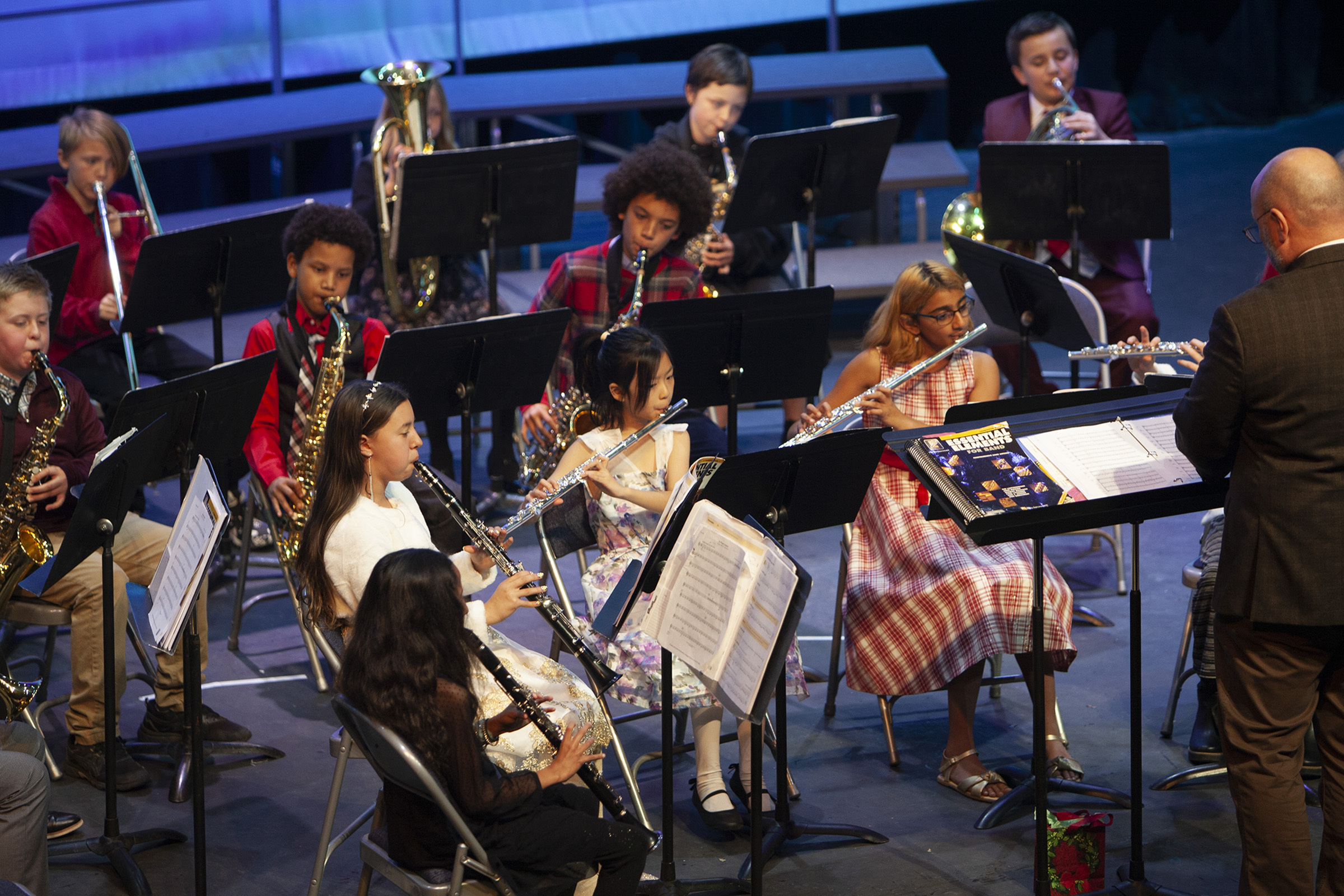
In 4th grade, band students learn ensemble skills using recorders, boomwhackers, and other group instruments. The program introduces rhythm, tempo, dynamics, and musical structure, laying a strong foundation for future instrumental study.
By the 5th grade, students are introduced to traditional band instruments, including the clarinet, flute, trombone, percussion, and trumpet. Both the 4th and 5th grade bands perform concerts for Holiday Tea and Celebration of the Arts, giving students the opportunity to showcase their growing skills and musical confidence.
“Students learn to collaborate as they work together to understand the music and that everyone has a role within the creative process,� said Brent Moorhead, Band Director and Instrumental Music Teacher. “Asking questions, experimenting with musical concepts, problem-solving, and encouraging each other to take risks all play into the collaborative learning during class.�
Middle School
In 6th grade, students participate in a year-long rotational course in visual art, theatre, and music. This builds on Lower School experiences, helping students develop skills in band and choir, expand their theatrical vocabulary and scene work, and advance in drawing, composition, and sculpture.
In 7th and 8th grade, students transition to a choice-based arts program, where they select two offerings per semester. Options include a band with increasing technical and leadership challenges, theatre focusing on full productions as well as design and critique, visual arts that encourage mixed-media experimentation, video production introducing cinematic storytelling, and choir to further develop vocal technique, harmony, and ensemble skills.
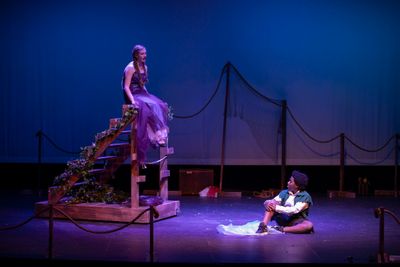
This structure enables students to explore broadly in 6th grade and specialize or pursue more in-depth interests in 7th and 8th grade.
In theatre, 7th and 8th graders take full responsibility for every aspect of production — from costumes and lighting to sound and stage direction — leading the effort to bring a story to life.
“Theatre allows students to express themselves in ways they might not in other academic or artistic areas,� said Theatre Teacher Jonathan Andujar, who teaches 6th-12th grade. “Some students who struggle with presentations may shine when performing or telling a story, which builds pride and confidence in their abilities.�
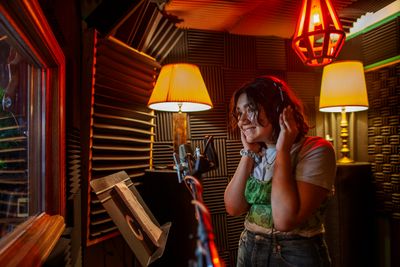
Starting in 7th grade, music students dive into songwriting, honing their skills through practice and reflection, and have the chance to showcase their original compositions in school concerts. They are also invited on field trips to the Colorado Springs Conservatory to record their songs.
“It is always such an inspiring experience, being off campus, working in a real studio environment, and seeing their work come to life offers a meaningful extension of their classroom learning,� Ms. Michielutti said. “It’s a highlight for many of our budding songwriters and performers.�
In band, students build discipline through consistent practice. “They start to understand that this isn’t going to happen overnight and that there is a process to achieving their goal,� Mr. Moorhead said. “Because of this, participating in Band also helps to improve focus and organization, and helps students understand the benefits of determination and perseverance.�
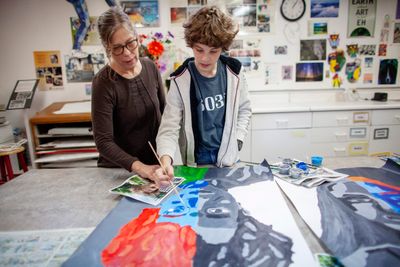
Visual arts students further hone their skills while learning that their initial ideas may need to be adjusted. “A lot of times they come in with a design but have to tweak it,� Ms. Reynolds said. “They learn to analyze their decisions about design. Critical thinking and problem-solving are a big piece of it, and that can carry over to other classes, sports, and friendships."
Middle School Seminars also provide students with twice-yearly, week-long immersive arts experiences, such as Southwest Photography, Music Production, and Fiber Arts, allowing for focused exploration and creative depth beyond the classroom.
Upper School
In 9th grade, students are immersed in a year-long rotational course in music, theatre, and visual arts, expanding foundational skills in performance, composition, theatre techniques, and 3D media, setting the stage for Upper School electives.
The arts program offers students comprehensive training, treating the arts as equally important as core subjects. Students explore disciplines ranging from metal casting and oil painting to darkroom photography, ceramics, jewelry making, printmaking, and glassworking.
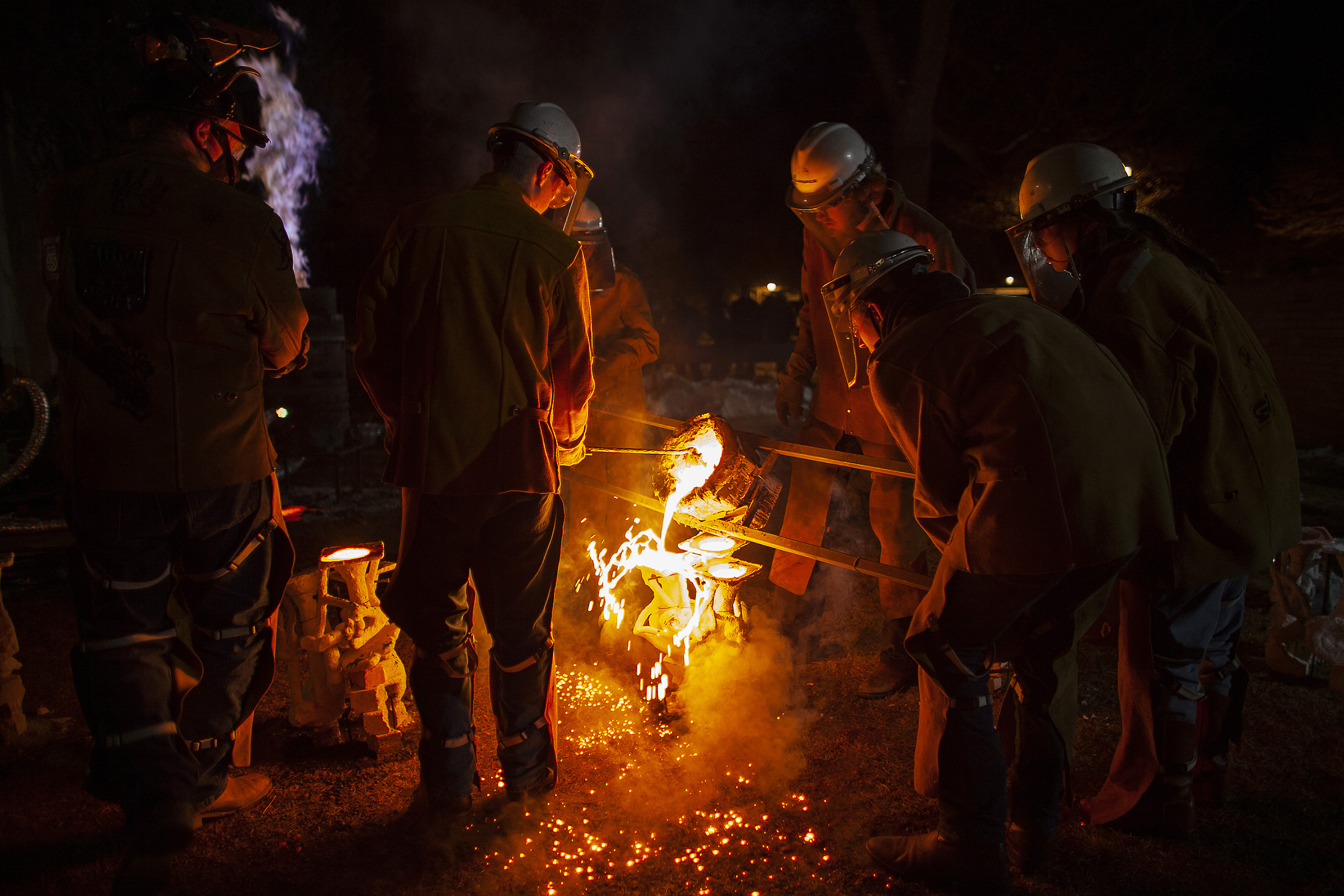
They also have the opportunity to participate in art-based Experience-Centered Seminars, three-week intensives each March. One standout offering is the Iron Pour (pictured above), a hands-on immersion into creating art by making and pouring molten metal — an experience unique to Ä¢¹½´«Ã½, the only high school in the country to conduct an Iron Pour.
The arts program emphasizes creative problem-solving, technical skill, and self-expression. Through critique, visiting artists, and opportunities to perform and exhibit, students develop portfolios that prepare them for college, scholarships, and lifelong creative thinking.
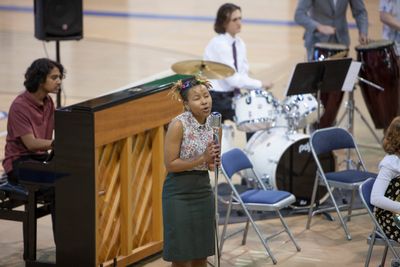
This foundation empowers students to pursue ambitious goals and take their skills beyond the classroom. One 2020 graduate, who excelled in band, even requested to conduct the Upper School concert as a senior, and Mr. Moorhead said yes. That experience, combined with years of mentorship that began with his first Ä¢¹½´«Ã½ solo at the age of four, refined his skills and inspired a lifelong commitment to music. He is now a high school instrumental music director.
Similarly, students continue to develop their musical abilities through collaborative experiences. In addition to songwriting and recording at the Colorado Springs Conservatory, members of the Upper School Vocal Ensemble refine cooperation, discipline, and creativity as they blend voices, match pitch and tone, and create harmony together.
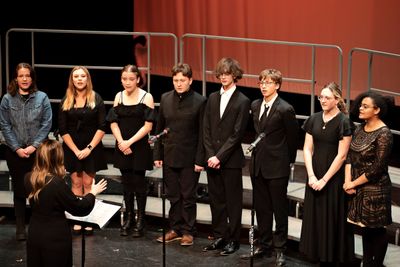
"Singing in an ensemble teaches students how to work collectively toward a shared artistic goal while honoring each individual voice. Students learn to listen deeply, adjust in real time, and support one another musically and emotionally," Ms. Michielutti said. "Ensemble singing also builds a strong sense of belonging and community."
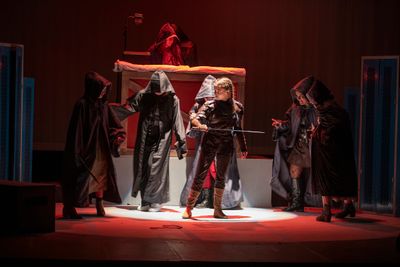
This same focus on collaboration and support carries over to theatre. The fall production of She Kills Monsters (pictured below) showcased exactly what Mr. Andujar hopes to see in thespians at this level and stood out as a highlight of his career.
“Our veteran actors supported our newcomers. I gave them a lot of trust and support to say, ‘You can do this, and we’re going to do this together,’� he said. “Opening night was so effortless and amazing. That was the proudest I’ve ever been on opening night. I’m so thankful.�
Students in the visual arts explore a variety of materials and media, learning to find the best ways to express their ideas. In the studio, they match concepts with the medium that brings them to life, engaging in collegiate-style coursework that allows for deep exploration of their chosen art form.
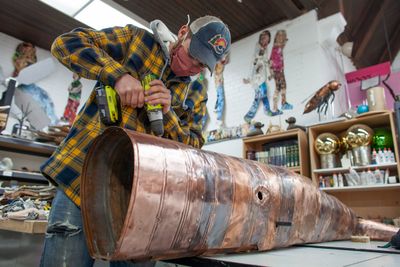
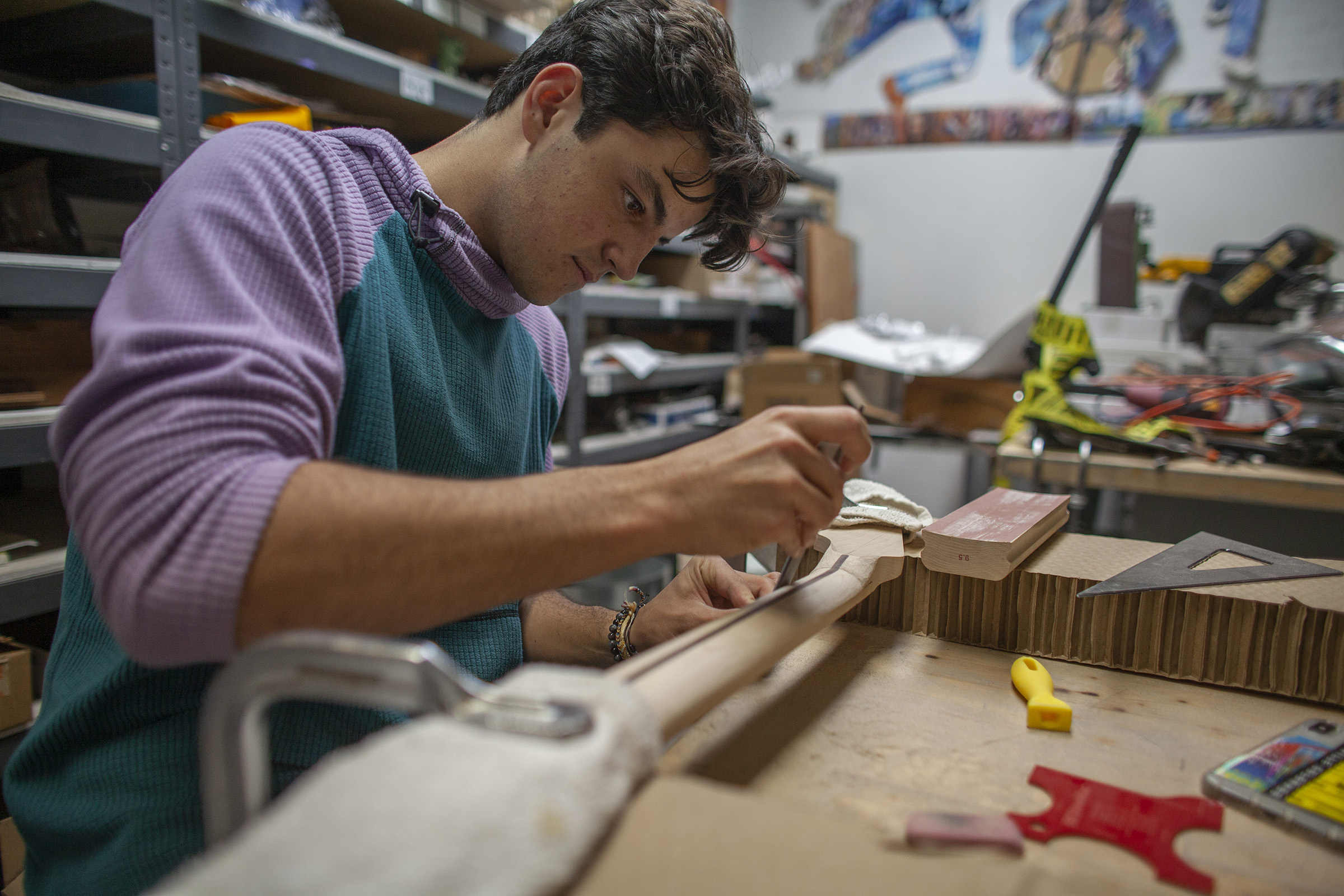
By 11th and 12th grade, students may apply for advanced art courses, where they can create their own projects, ranging from crafting a guitar (pictured below) to building a 9-foot metal whale. “Our goal is academic rigor, not just college prep,� said Mr. Wolfe. “It’s about analysis, digging deeper, and really understanding the material.�
A Lifelong Foundation in the Arts
Across grade levels, Ä¢¹½´«Ã½ students experience the arts as a meaningful and integrated part of their education. They learn to communicate ideas, collaborate respectfully, think divergently, and pursue excellence in creative expression.
This integration of the arts is exemplified by junior Margaret G. '27, who joined Ä¢¹½´«Ã½ in 5th grade and instantly connected with the stage through the Lower School’s Dessert Theatre program. Since then, she has participated in every Middle School theatre class and production, and performed in every Upper School show, making theatre a defining thread of her Ä¢¹½´«Ã½ experience.
“Theatre is a core part of my identity. I discovered who I am, met some of my closest friends, and have the most meaningful memories through theatre,â€� said Margaret (pictured below playing violin in Hadestown, in which she performed). “Because of theatre, I joined the school choir, the pep band, and Ä¢¹½´«Ã½'s chapter of the .â€�
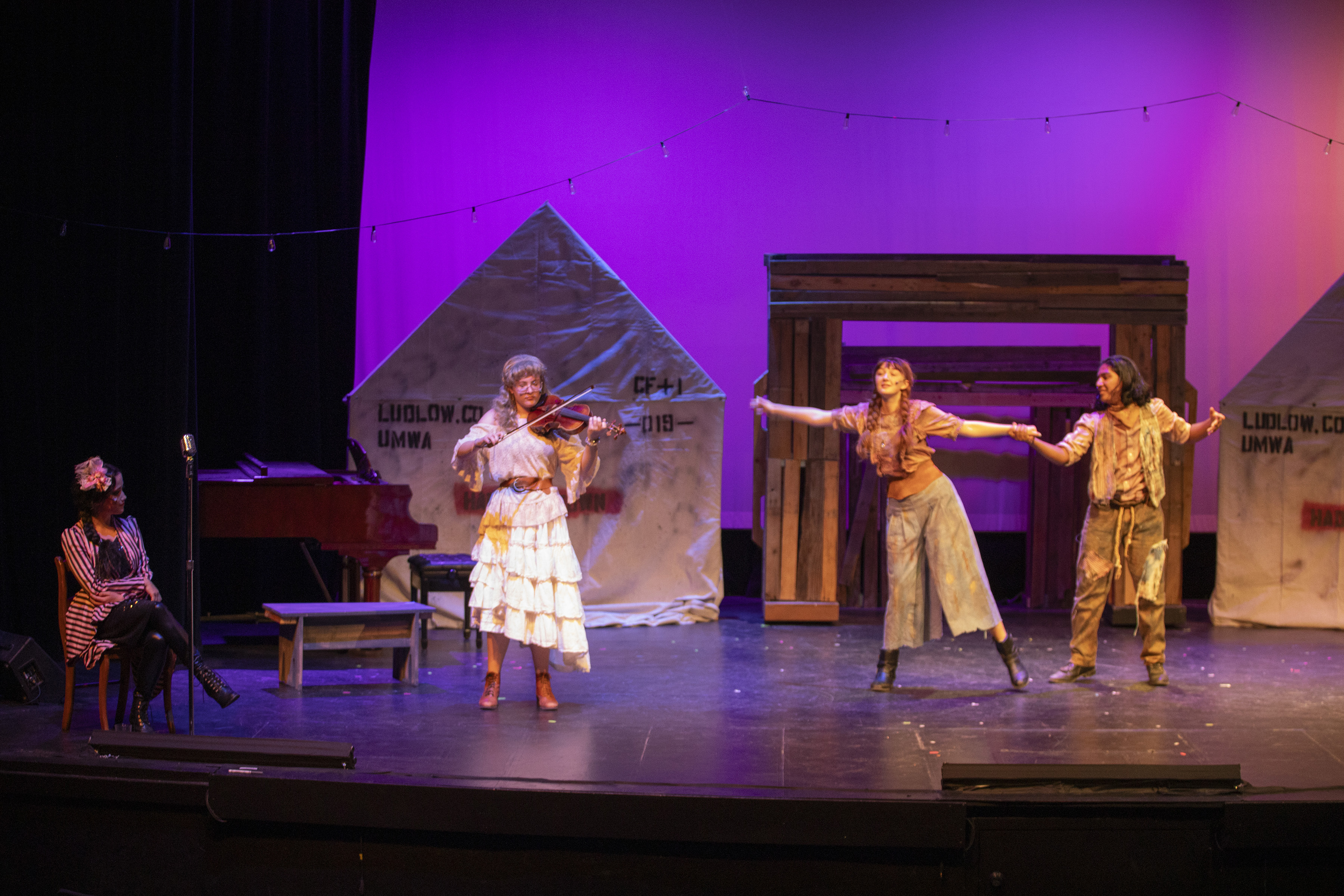
Through theatre, she built confidence speaking and performing in front of audiences — even singing a duet for judges at Thescon, Colorado's leading educational theatre conference — and learned that collaboration is at the heart of bringing a show to life.
From Margaret’s journey in theatre to students shaping glass, composing music, or performing in band, Ä¢¹½´«Ã½ students are empowered to create boldly and to carry their artistic voice confidently into the world, prepared for whatever challenges and opportunities lie ahead.
Support Elevating Creativity, Collaboration, and Confidence Through the Arts by making a gift to the Kodiak Pride Fund here.